Neural Interfaces & Brain-Computer Integration
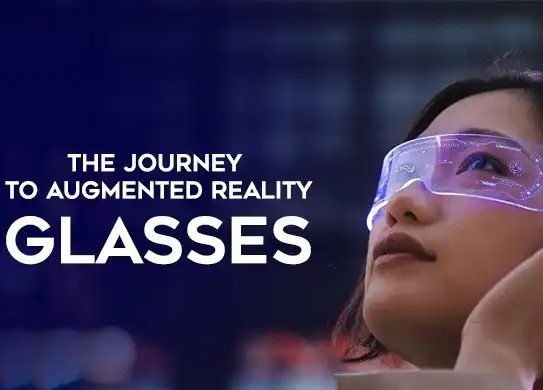
Brain-computer interfaces (BCIs) are bridging the gap between human cognition and machines. Non-invasive neural interfaces are being developed for assistive technologies, neurorehabilitation, and immersive AR/VR experiences. This research highlights the future of human-computer synergy and cognitive augmentation.
By recording neural patterns using high-density electroencephalography (EEG) sensor arrays or micro-electrode implants, BCIs can decode movement intentions. These decoded signals are translated into digital commands that steer prosthetic limbs, move wheelchairs, or type words on screens.
In rehabilitation, BCIs help stroke survivors rebuild neural pathways by linking intent with robotic muscle stimulation devices, promoting neuroplasticity.
As neural tracking advances, addressing user data privacy, neural encryption standards, and safety is essential. Collaborative research networks are drafting guidelines to ensure interfaces are implemented safely, protecting user autonomy while expanding access.