Google DeepMind Unveils Gemini Robotics ER 2 and Gemini 3.6 Flash
In a major push to ground artificial intelligence in the physical world, Google DeepMind has officially unveiled Gemini Robotics ER 2, a state-of-the-art AI model designed for industrial and humanoid robots. Alongside this physical AI breakthrough, Google also released Gemini 3.6 Flash and Gemini 3.5 Flash-Lite/Cyber, which are specifically optimized for running complex production-level agentic workflows with sub-second response times.
Gemini Robotics ER 2 represents a major leap in spatial understanding and real-time environmental reasoning. Previous robotic control models struggled with object identification and task execution in dynamic settings where humans or objects are moving. ER 2 integrates high-resolution vision-language-action (VLA) models, allowing robots to understand complex verbal commands, recognize tools in cluttered environments, and plan and execute physical manipulations with millimeter precision.
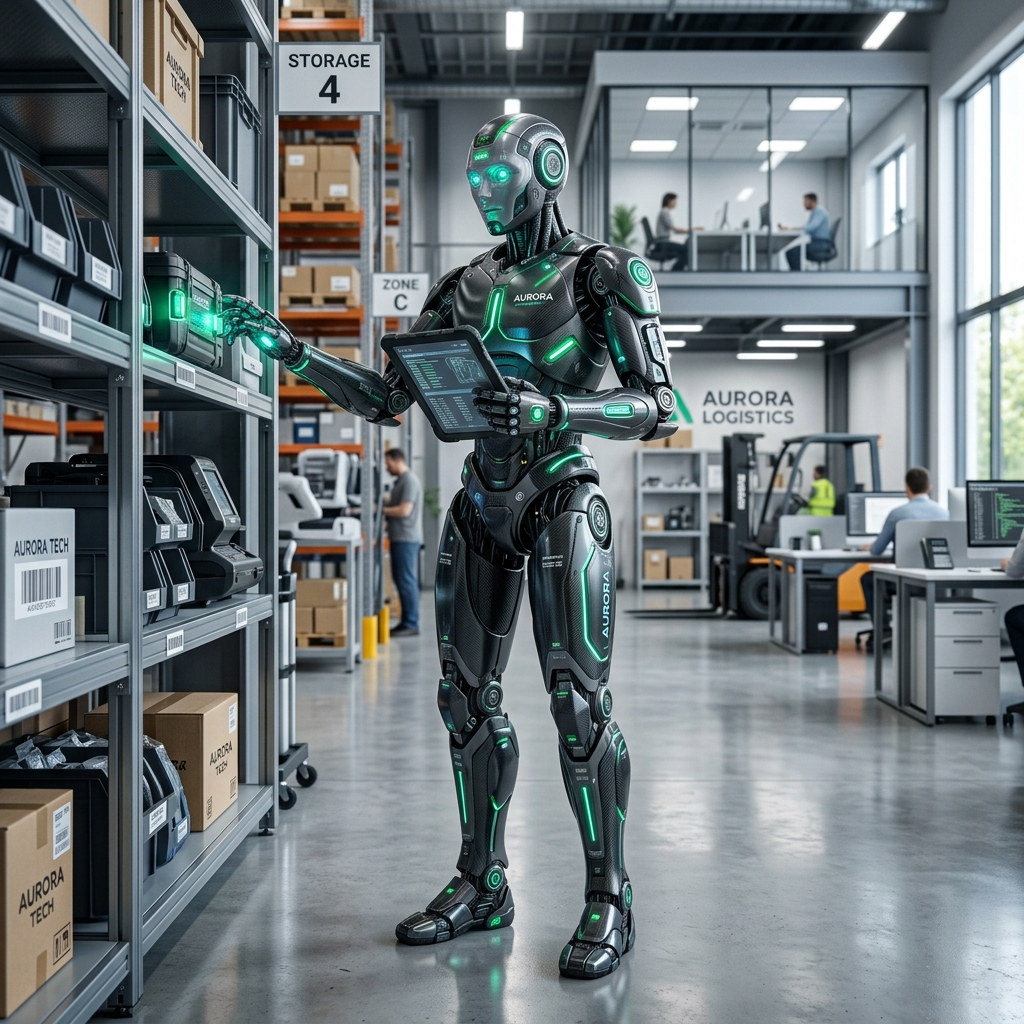
During Google's live demonstration, ER 2-powered robotic arms successfully completed multi-stage logistics tasks, sorted complex electronics components, and assisted in assembly line tasks without any pre-programmed path coordinates. The robots rely entirely on real-time environmental camera feeds and the ER 2 model to plan their path, demonstrating the power of end-to-end learning in physical AI.
Meanwhile, the introduction of Gemini 3.6 Flash is aimed at bridging the gap between web agents and local workflows. Developers can use 3.6 Flash to build agentic pipelines that can orchestrate browser actions, fetch data from external APIs, and execute code blocks. The model features a 2-million-token context window with optimized caching, enabling developers to run long-running agentic tasks at a fraction of the cost of previous models.
As Google, Nvidia, and other tech giants race to merge AI with physical machinery, the Gemini Robotics ER 2 launch establishes Google as a frontrunner in industrial automation. By combining fast, low-cost reasoning models like 3.6 Flash with physical control stacks, Google is laying the groundwork for a future where smart machines operate seamlessly alongside humans in warehouses, factories, and research labs.